
A steaming bowl of Shoyu Ramen may look deceptively simple: amber-colored broth, springy noodles, slices of tender meat and a few carefully arranged toppings. Yet beneath that simplicity is one of Japanese ramen culture’s most recognizable flavor profiles. Soy sauce contributes aroma, saltiness and fermented complexity, while broth, aromatic oil and toppings build layers of savory depth around it.
For diners exploring traditional Japanese noodles, Shoyu Ramen is an excellent place to begin. It can be lighter in appearance than many creamy ramen varieties while still delivering a pronounced umami character. Understanding how the bowl is constructed also reveals an important lesson about ramen: great ramen is rarely about one powerful ingredient. It is about balance.
This guide explores where the characteristic flavor comes from, which ingredients matter, how the style compares with other ramen varieties and how to appreciate a well-made bowl. Whether you already love Japanese cuisine or are discovering ramen for the first time in Deutsch, the details below will help you understand what makes this classic so enduring.
What Is Shoyu Ramen?
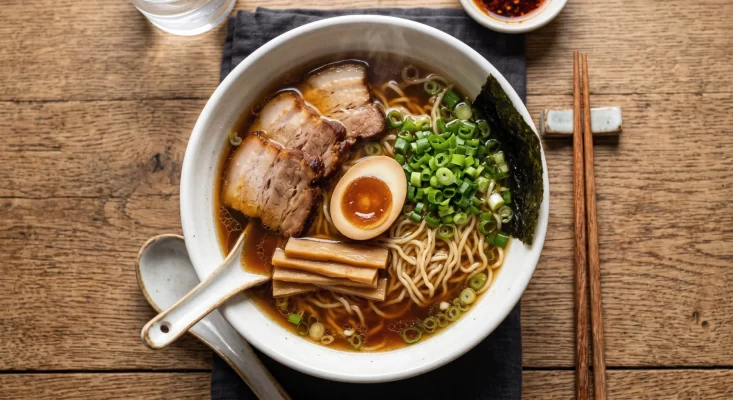
Shoyu Ramen is a Japanese ramen style seasoned primarily with shoyu, the Japanese word for soy sauce. The name describes the seasoning foundation rather than prescribing one fixed broth recipe. That distinction matters because two restaurants can serve noticeably different bowls while both remain recognizably within the shoyu tradition.
What does shoyu mean?
Shoyu is Japanese soy sauce, a fermented seasoning traditionally produced from ingredients such as soybeans, wheat, salt and water. Fermentation develops aromas and savory compounds that make quality soy sauce considerably more complex than simple salt water. In Shoyu Ramen, the seasoning usually appears as part of a concentrated tare placed in the bowl before broth is added.
The finished soup therefore does not consist of broth with an arbitrary splash of table soy sauce. A ramen cook may blend different soy sauces with other seasonings to create a tare designed specifically for the broth. When combined correctly, the seasoning provides structure and aroma without overwhelming the underlying stock.
A classic style with many regional interpretations
The roots of soy sauce–seasoned ramen are closely associated with the early development of ramen in Japan. Over time, cooks across the country created regional variations using different broths, noodle shapes and local ingredients. Tokyo-style versions are particularly famous for relatively clear brown soup traditionally paired with curly noodles and familiar toppings such as chashu, menma and spring onion.
Modern Shoyu Ramen can be made with chicken, pork, seafood, dried fish or combinations of several ingredients. Some bowls are delicate and aromatic; others are intensely savory. The common thread is the prominent contribution of soy sauce seasoning and the way it integrates with the stock.
To learn more about traditional Japanese ramen styles and regional variations, explore the official Japan Guide to Ramen.
What Gives Shoyu Ramen Its Distinctive Umami Flavor?
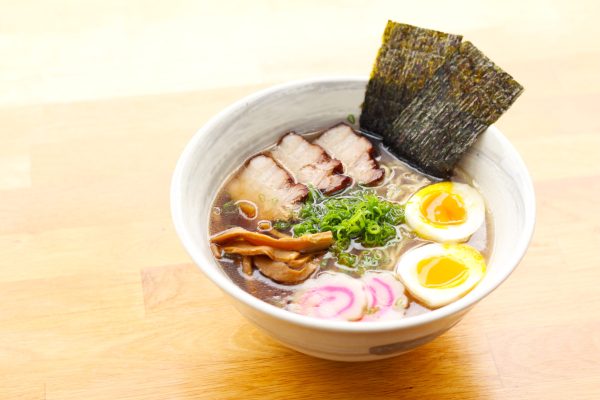
The memorable quality of Shoyu Ramen comes from layering. A successful bowl normally combines several components prepared separately and brought together immediately before serving. Broth provides body, tare establishes seasoning, aromatic oil carries fragrance, noodles create texture and toppings add contrasting flavors.
The role of the shoyu tare
Tare is one of the most important concepts for understanding ramen. It is the concentrated seasoning base responsible for much of a bowl’s salt level and identity. In Shoyu Ramen, soy sauce is the defining element of this mixture, although recipes may include mirin, sake, kombu, dried seafood or other ingredients.
Different soy sauces can provide different characteristics. Some contribute sweetness and rounded fermented aromas, while others offer sharper salinity or deeper color. Skilled ramen preparation involves selecting and blending these qualities so that the tare supports rather than masks the broth.
For a deeper breakdown of ingredients, history, and flavor profiles, you can read more at Yamachan Ramen
Broth creates depth beyond soy sauce
A common misconception is that Shoyu Ramen simply tastes like soy sauce. A carefully prepared version should reveal much more. Chicken bones, pork, vegetables, kombu, dried fish, mushrooms or other ingredients can contribute natural glutamates and nucleotides associated with umami. When these savory elements interact, the perception of depth can become stronger than any single component would produce alone.
The broth may be clear yet remarkably flavorful. This is one reason color should not be used as the only measure of richness. A translucent soup can contain hours of careful extraction and considerable complexity without the opaque appearance associated with emulsified pork-bone broth.
Aromatic oils complete the bowl
Before tasting the soup, you smell it. Aromatic oil floating across the surface captures and releases fragrances as the hot broth reaches the table. Chicken fat, scallion oil or other flavored oils may be used depending on the recipe.
In well-balanced Shoyu Ramen, this final layer connects aroma with taste. Too little oil can leave the soup feeling thin; too much can make it heavy. The goal is enough richness to carry fragrance and provide a satisfying mouthfeel without hiding the clarity of the soy sauce seasoning.
The Essential Ingredients in an Authentic Bowl

There is no universal ingredient list that every restaurant must follow. Nevertheless, several components frequently appear because they complement the savory profile of Shoyu Ramen. Their quality and preparation can dramatically change the eating experience.
Noodles
Ramen noodles are typically made from wheat flour, water, salt and kansui, an alkaline solution that influences their characteristic texture, color and elasticity. The exact thickness, hydration and shape can be adjusted to match a particular soup.
Many versions of Shoyu Ramen use relatively thin or medium noodles because they pick up the seasoned broth without dominating it. Curly noodles can capture droplets of soup particularly effectively, although straight noodles are also common in contemporary interpretations. Texture matters: the noodles should retain enough bite to provide contrast against the hot liquid.
Chashu and protein toppings
Chashu is one of ramen’s best-known toppings. Japanese ramen chashu is commonly prepared by braising pork until tender, then slicing it for service. Depending on the cut and preparation, it can provide a combination of savory meat, soft fat and seasoning that complements the soup.
Not every Shoyu Ramen needs pork. Chicken chashu and other proteins can work beautifully with lighter broths. What matters is compatibility: the protein should contribute flavor without overpowering the carefully balanced soup.
Egg, menma, nori and spring onion
Ajitama, the seasoned soft-boiled ramen egg, contributes richness through its creamy yolk and seasoned exterior. Menma, fermented or seasoned bamboo shoots, introduces a distinctive texture and savory character. Nori adds marine aroma, while chopped spring onion brings freshness and mild sharpness.
These toppings are not merely decoration. In thoughtful Shoyu Ramen, each ingredient changes a mouthful in a small but noticeable way. The result is a bowl that remains interesting from the first sip to the final noodles.
Shoyu Ramen vs Other Popular Ramen Styles

Ramen terminology can initially be confusing because some names describe seasoning while others describe broth. Comparing Shoyu Ramen with several familiar styles makes those differences easier to understand.
Shoyu vs miso ramen
Miso ramen uses fermented soybean paste as a major seasoning component. It often has a fuller, slightly sweeter and more robust character. Miso can contribute substantial body and a distinctive fermented aroma.
By comparison, Shoyu Ramen often allows the characteristics of a clear chicken or mixed broth to remain easier to identify. Soy sauce provides fermented complexity too, but the resulting flavor tends to be sharper and more aromatic rather than creamy. Diners who enjoy savory depth with a comparatively clean finish may prefer this profile.
Shoyu vs tonkotsu ramen
Tonkotsu refers primarily to pork-bone broth rather than a tare category. Long, vigorous cooking can emulsify fat, collagen and other components, creating the opaque, creamy soup strongly associated with Hakata-style ramen.
This means tonkotsu and Shoyu Ramen are not technically perfect opposites. A pork-bone broth can actually be seasoned with a soy sauce–based tare. In everyday restaurant menus, however, diners often use tonkotsu to describe a rich creamy pork broth and shoyu to describe a clearer brown soy sauce–forward bowl.
Shoyu vs shio ramen
Shio means salt. Shio ramen is seasoned primarily with a salt-based tare and is frequently associated with light-colored, delicate soup. Because the seasoning itself contributes less color, broth aromas can appear especially exposed.
Shoyu Ramen gains additional fermented aromas, color and complexity from soy sauce. Both styles can be light or rich depending on their broth, but shoyu generally offers the unmistakable savory fragrance associated with Japanese soy sauce.
How to Enjoy Shoyu Ramen Like a Ramen Lover
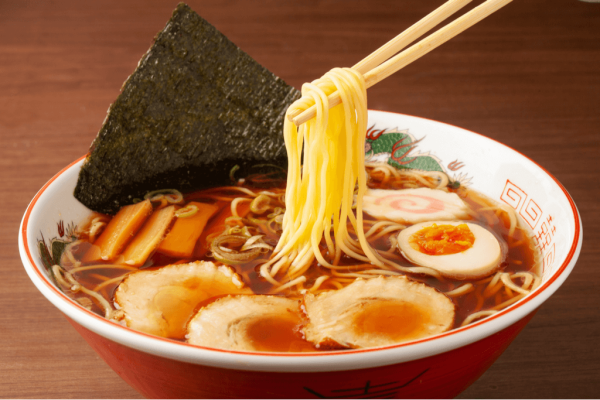
You do not need complicated etiquette to appreciate Shoyu Ramen. The most useful approach is simply to pay attention to how the bowl changes as you eat. Temperature, noodle texture, aroma and the interaction between toppings all evolve surprisingly quickly.
Taste the broth before changing anything
Begin with a small sip of broth. This gives you a reference point for the cook’s intended balance of salt, umami, fat and aroma. Notice whether soy sauce arrives first or whether chicken, seafood or another broth ingredient is immediately apparent.
A good Shoyu Ramen should not depend on extra condiments to feel complete. If a restaurant provides chili, garlic or other seasonings, consider trying them only after experiencing several mouthfuls in the original form. Otherwise, a strong condiment can hide subtleties you have not yet tasted.
Eat the noodles while they are at their best
Ramen is time-sensitive. Once noodles enter hot broth, they continue absorbing liquid and gradually soften. That is why bowls are generally intended to be eaten soon after serving rather than left untouched while the soup cools.
Lift a manageable portion of noodles and eat them together with some broth. This combination is fundamental to Shoyu Ramen: noodles provide wheat aroma and texture while the soup coats their surface with seasoning and fat. Slurping is common in Japan and can help cool hot noodles, but diners should eat in whatever way feels comfortable.
Enjoy the toppings as part of the whole bowl
Try alternating noodles with chashu, egg, bamboo shoots and nori instead of eating every topping first. A bite containing spring onion may taste fresher, while egg yolk can temporarily make the broth feel richer.
As the ingredients interact, Shoyu Ramen becomes more than soup plus noodles. This progression is part of the pleasure: individual components maintain their identity while contributing to a unified experience.
Why Shoyu Ramen Is an Ideal Introduction to Japanese Ramen

For someone exploring ramen beyond instant noodles, Shoyu Ramen offers a particularly useful introduction because its components can often be tasted clearly. You can identify the broth, seasoning, aromatic oil, noodles and toppings while simultaneously experiencing how they work together.
Balanced enough for newcomers, complex enough for enthusiasts
The familiar savoriness of soy sauce makes the flavor accessible, yet serious ramen enthusiasts can spend considerable time analyzing the details. Which soy sauces were blended? Is the broth dominated by chicken, pork or seafood? How much aroma comes from the oil? Does the noodle texture complement the soup?
That combination of accessibility and depth explains much of the lasting appeal of Shoyu Ramen. A newcomer can simply enjoy a comforting bowl, while an experienced diner can appreciate the technical decisions behind it.
It can also be a useful choice for diners who find very creamy ramen too heavy. This does not mean every Shoyu Ramen is light or low in fat; recipes vary significantly. However, many soy sauce–forward bowls emphasize clarity, aroma and savory intensity rather than relying primarily on the weight of an emulsified broth.
What to look for in a high-quality bowl
First, look for balance. The soy sauce should be clearly present without reducing the soup to simple saltiness. Second, pay attention to aroma. A well-composed bowl often releases noticeable fragrance before the first sip. Third, examine noodle texture. Noodles should feel intentionally matched to the broth rather than functioning as an afterthought.
Finally, consider the complete bowl. Quality Shoyu Ramen does not require excessive toppings. A smaller selection of carefully prepared ingredients can be more satisfying than a crowded presentation because each element has a defined role.
Frequently Asked Questions About Shoyu Ramen

Is Shoyu Ramen very salty?
Shoyu Ramen is intentionally savory because soy sauce–based tare provides much of the seasoning, but a properly balanced bowl should offer more than saltiness. Broth, fat, natural sweetness and umami should soften and support the seasoning. Perceived saltiness varies significantly between recipes and restaurants, so there is no universal intensity level.
Is Shoyu Ramen spicy?
Traditional Shoyu Ramen is not inherently spicy. Its defining characteristic is soy sauce seasoning, not chili. Some restaurants may offer spicy variations or provide chili oil and other condiments, but heat is optional rather than essential to the style.
Does Shoyu Ramen always contain pork?
No. Although chashu pork is a classic topping, Shoyu Ramen can use chicken, seafood or other ingredients. The broth can also vary considerably. Anyone avoiding specific meats should check the complete broth and tare ingredients rather than assuming that removing a visible topping makes the dish suitable for a particular diet.
What noodles are used in Shoyu Ramen?
Wheat-based alkaline ramen noodles are standard. Thin to medium noodles are common, and both straight and curly varieties can be used. The ideal noodle for Shoyu Ramen depends on the concentration, oil level and body of the soup. Skilled ramen makers select noodle characteristics specifically to complement their recipe.
What makes Shoyu Ramen taste umami-rich?
The depth of Shoyu Ramen usually comes from multiple sources rather than soy sauce alone. Fermented soy sauce, kombu, meat broth, dried seafood, mushrooms and other ingredients can supply different savory compounds. Combining these elements thoughtfully produces the layered, lingering quality associated with umami.
Taste Authentic Shoyu Ramen at Honmono
Understanding ramen makes tasting it even more rewarding. Once you recognize the relationship between tare, broth, aromatic oil, noodles and toppings, every spoonful offers something to notice. Shoyu Ramen demonstrates this Japanese approach particularly well: seemingly simple ingredients become complex through careful preparation and balance.
For ramen lovers, travelers and food enthusiasts in Deutsch who want to explore traditional Japanese flavors, Honmono offers an opportunity to experience the character that makes this style a lasting favorite. Pay attention to the first aroma, taste the broth before adding anything, notice the texture of the noodles and discover how each topping changes the next bite.
If Japanese soy sauce ramen has been on your food list, now is the time to experience it beyond descriptions and photographs. Visit Honmono or Contact Us today to book your table and taste authentic Shoyu Ramen built around savory depth, fragrant soy sauce seasoning, and the unmistakable pleasure of Japanese ramen.